
For many Ecommerce and DTC founders, returns are treated as part of the business. A customer changes their mind, a package arrives damaged, sizing does not work, or an item simply gets sent back.
It feels operational, but financially, returns and refunds affect far more than customer experience. They directly impact profitability, cash flow, inventory planning, advertising efficiency, and financial forecasting, and for growing Ecommerce brands, the damage is often underestimated.
We regularly see stores with strong sales performance struggle to maintain healthy margins because the true cost of returns is not being measured correctly. Revenue may look impressive at the top line, but once refunds, reverse logistics, restocking losses, and payment processing fees are factored in, profitability tells a very different story.
This is why Ecommerce accounting and financial oversight must go beyond simply tracking sales.
Understanding how returns affect your numbers and implementing systems to control them can significantly improve both cash flow and long-term profitability.
Why Returns Hurt More Than Most Founders Realize
Most founders understand that a refund reduces revenue. What many underestimate is everything attached to that refund.
In Ecommerce, a returned order often means the following:
- Lost revenue from the original sale.
- Shipping costs that cannot be recovered.
- Return shipping expenses.
- Payment processing fees.
- Inventory handling and restocking labor.
- Discounting or write-downs on damaged inventory.
- Additional customer support costs.
- Lost advertising spend used to acquire the customer.
In some cases, a business may fulfill dozens of orders profitably on paper while actually losing money after refunds are factored in properly. This becomes especially dangerous during high-growth periods when sales volume masks underlying margin pressure.
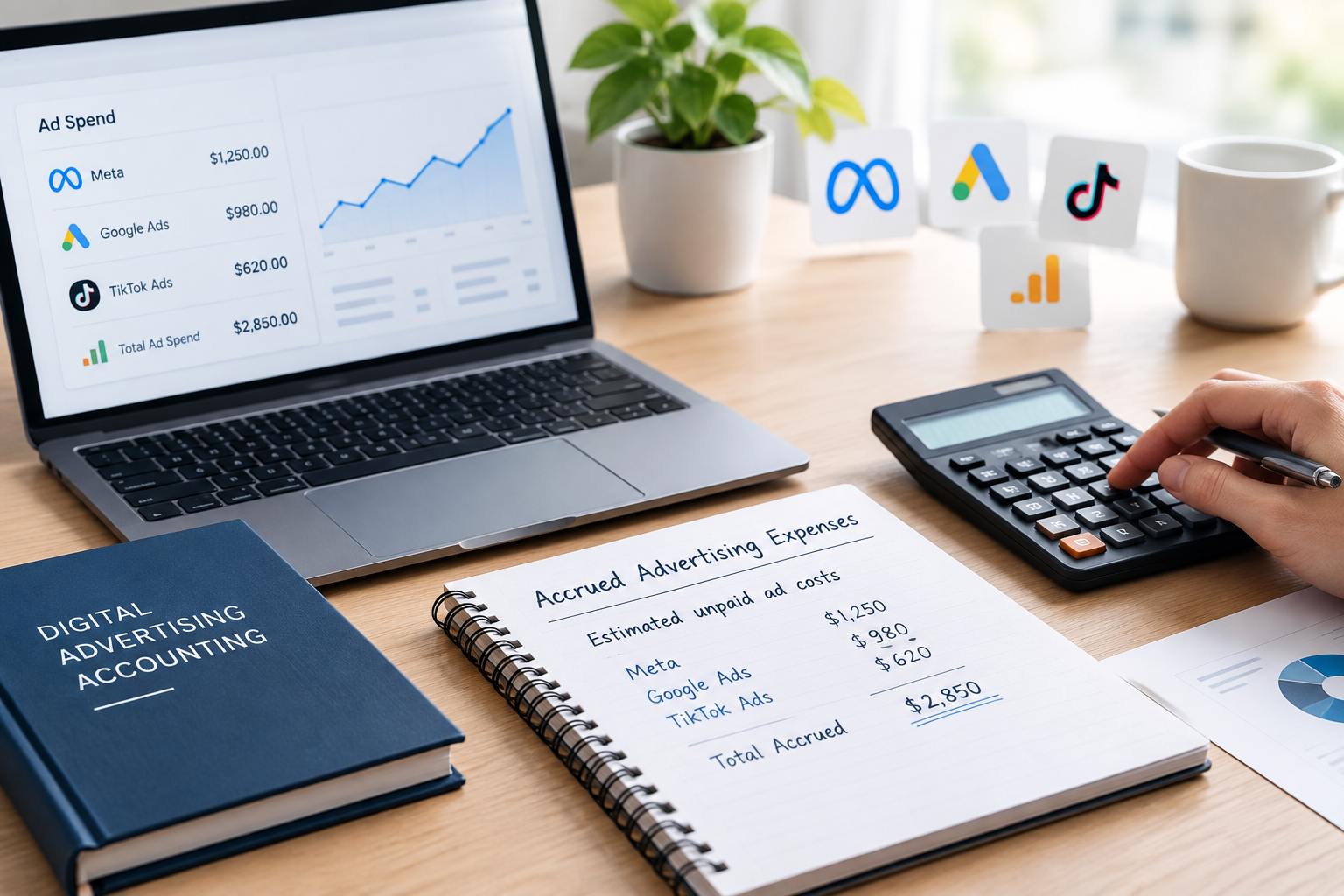
For DTC brands spending aggressively on Meta, Google, TikTok, or influencer campaigns, refund-heavy products can quietly destroy contribution margins even while revenue appears strong. That is why strong financial reporting matters. Revenue alone does not measure business health. Net profitability and cash retention do.
The Cash Flow Impact of Refunds
Returns do not just affect profits. They also create cash flow pressure. Most Ecommerce brands pay for inventory, shipping, packaging, and advertising before a sale happens. However, refunds reverse the inflow after the cash has already been spent.
This timing mismatch creates liquidity strain.
For example: A customer places a $150 order. The business pays for inventory and shipping upfront. Ad spend has already been incurred. Platform processing fees are deducted immediately. Two weeks later, the order is refunded.
The revenue disappears, but many of the associated costs remain.
This is one reason why businesses with growing revenue can still experience cash shortages. Refund activity reduces available working capital faster than many founders expect.
Without structured cash flow forecasting, these patterns are difficult to identify early.
This is why we consistently recommend using a rolling 13-week cash flow forecast for Ecommerce businesses. It allows founders to anticipate periods where elevated refund activity may create liquidity pressure, especially after major sales campaigns or seasonal spikes.
High Return Rates Often Signal Larger Operational Issues
Returns are not always just customer behavior. In many cases, they reveal deeper operational problems inside the business.
Common root causes include:
- Poor product descriptions.
- Inaccurate sizing information.
- Low-quality product photography.
- Weak fulfillment processes.
- Damaged shipments.
- Inventory inconsistencies.
- Poor customer expectation management.
For apparel brands, sizing confusion is often a major driver of returns. For beauty and wellness brands, misleading product expectations can create refund pressure. For electronics or fragile products, shipping and packaging quality may be the issue.
The financial team should not operate separately from operations and customer experience. Strong Ecommerce financial management involves identifying patterns behind refunds and quantifying their impact.
If one product consistently generates high return rates, the issue is not just operational. It is financial.
The Importance of Tracking Refund Metrics Properly
One of the biggest e-commerce accounting mistakes we see is treating refunds as isolated transactions instead of measurable performance indicators.
Refund data should be monitored consistently. Key metrics include:
- Return rate by product.
- Refund rate by marketing channel.
- Return rate by geography.
- Net revenue after refunds.
- Refund timing trends.
- Percentage of damaged inventory.
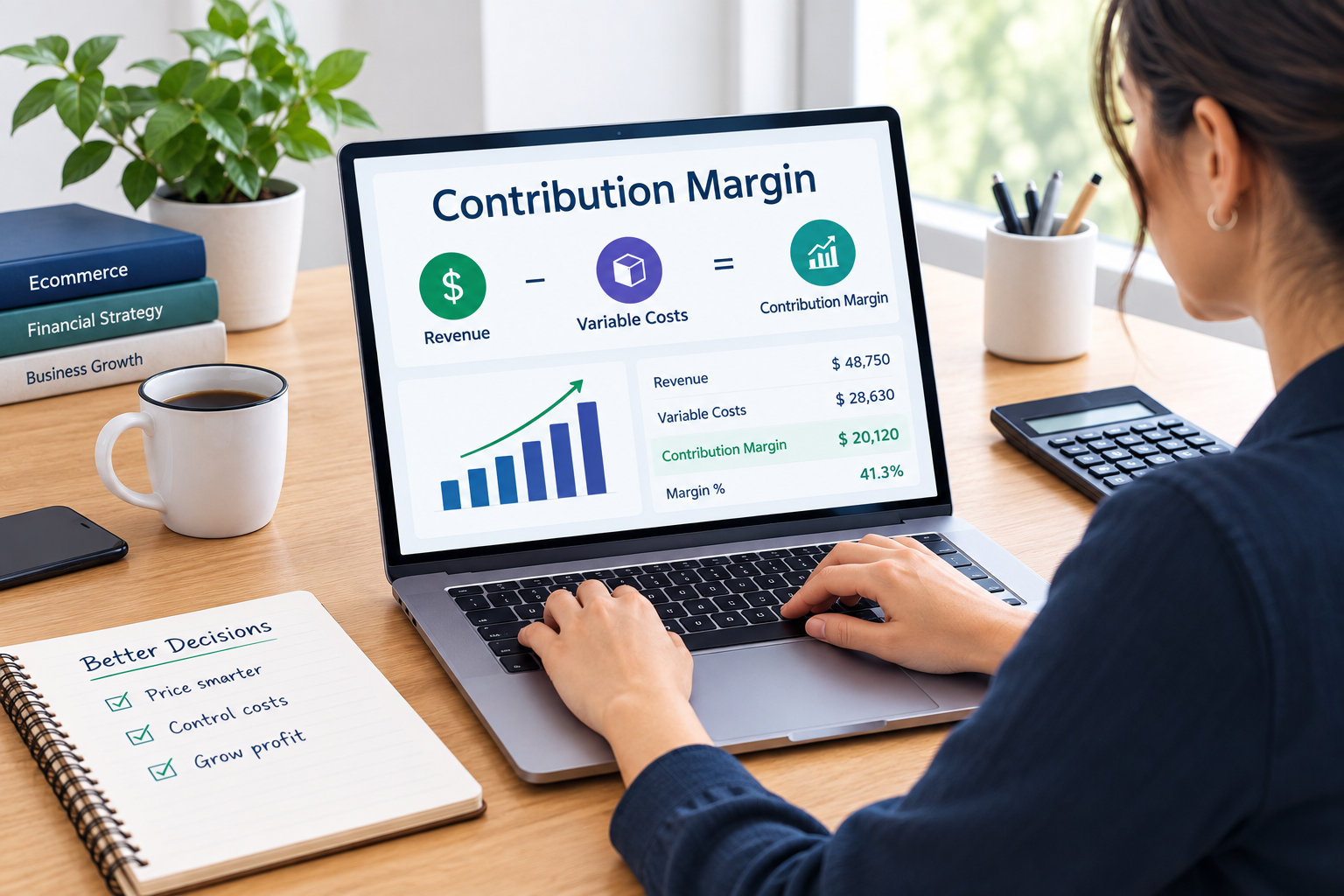
- Contribution margin after returns.
Without this visibility, founders often scale products or campaigns that appear profitable but are actually underperforming after returns are included.
For example, a product with exceptional sales volume may still underperform financially if its refund rate consistently exceeds acceptable thresholds.
Strong accounting services and controller oversight help ensure refund data is reflected accurately in financial reports rather than buried inside general revenue adjustments.
How Returns Distort Inventory Planning
Returns also create inventory complexity. Inventory that is returned may:
- Need inspection before resale.
- Require repackaging.
- Be damaged or unsellable.
- Sit in processing queues for weeks.
This affects inventory forecasting and purchasing decisions.
Many e-commerce brands accidentally over-purchase inventory because refund-related stock movements are not reflected properly in reporting systems.
At the same time, delayed visibility into return inventory can create stockout issues on products that are technically available but not yet processed back into inventory.
This is where operational systems and financial systems must work together.
A strong accounting controller or fractional CFO helps align inventory reporting, cash flow forecasting, and operational planning so founders can make purchasing decisions using accurate data.
What Ecommerce Founders Should Do to Reduce Refund Pressure
Reducing refund impact requires both operational improvements and financial discipline.
Some of the most effective strategies include:
Improve Product Clarity
Many returns happen because customer expectations were inaccurate from the beginning. Clearer product descriptions, sizing charts, demo videos, ingredient breakdowns, and lifestyle photography can significantly reduce refund rates.
Analyze Refunds by SKU
Do not review refunds at only the company level. Certain SKUs often drive disproportionate return activity. Product-level analysis helps identify whether issues stem from product quality, pricing, fulfillment, or marketing expectations.
Forecast Refund Activity in Advance
Refunds should not be treated as unpredictable surprises. Historical trends can help estimate:
- Post-holiday return spikes.
- Seasonal refund behavior.
- Refund timing after promotions.
This is where structured cash flow management becomes critical.
Strengthen Financial Reporting
Your financial reports should clearly distinguish the following:
- Gross revenue.
- Refund-adjusted revenue.
- True contribution margins.
This provides a more realistic picture of profitability. Many brands believe they are scaling profitably when they are actually scaling inefficiency.
Financial Visibility Protects Ecommerce Profitability
Returns are part of e-commerce. However, unmanaged returns quietly erode profits, weaken cash flow, and distort decision-making.
The goal is not to eliminate refunds entirely. The goal is to understand their financial impact clearly enough to manage them strategically.
For growing e-commerce and DTC brands, profitability depends on more than increasing sales. It depends on protecting margins, maintaining cash visibility, and building systems that support sustainable growth.
At Smallbiz Controller, we help Ecommerce founders strengthen financial visibility through structured accounting services, cash flow forecasting, inventory reporting, and fractional CFO and accounting controller support designed specifically for growing online brands.
If your business is generating strong revenue but profitability still feels inconsistent, the issue may not be sales performance. It may be what happens after the sale.
Reach out to us at assist@smallbizcontroller.io to learn how our Ecommerce-focused financial and account consulting services can help you build healthier margins, stronger cash flow, and more predictable growth.